Via SchiffGold.com,
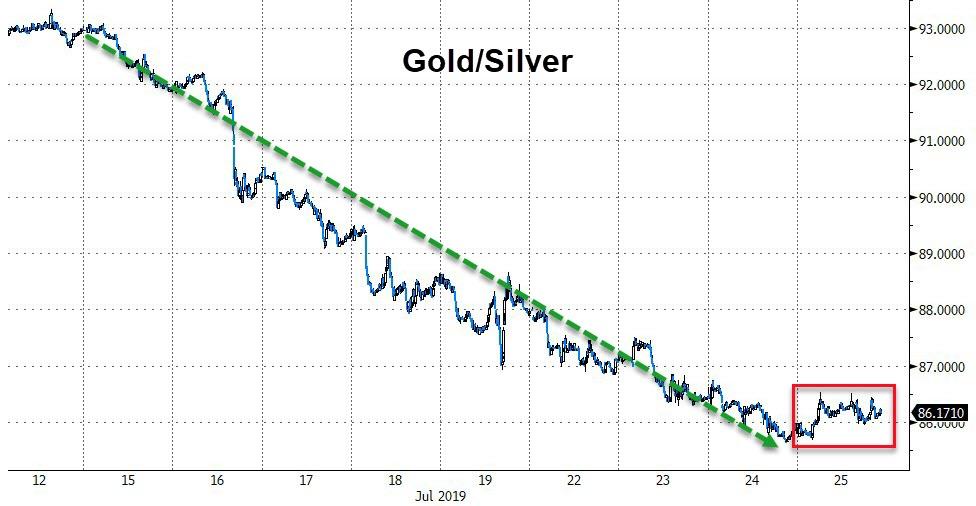
Gold has pushed much higher in recent weeks, breaking through the $1,400 level and holding. Silver has also rallied and has started to close the gap with
the yellow metal. In a recent podcast, Peter Schiff said we are seeing
signs that the investment world is starting to catch on. The psychology has shifted and investors are started to realize that the gold bull-run is for real. ここ数週ゴールドは更に値を上げた、$1,400を超えて根固めをしている。シルバーもまたリラーを続け、これまでのゴールドとのギャップを埋め始めた。最近のポッドキャストで、Peter schiffはこう述べた、我々は投資の世界で起き始めた変化の兆候を認識し始めた。心理は変化し、投資家はゴールドブルを現実のものとして認識し始めた。
A lot of it has to do with the anticipation of more easy money from the Federal Reserve.
Fed-speak continues to boost anticipation of an interest rate cut. The
only thing dampening expectations is the possibility of higher
inflation. Peter said that doesn’t matter. Inflation or not, the Fed is
cutting rates.
Last week, Fed Vice Chair Richard Clarida said, “You don’t want to wait until data turns decisively,” before cutting rates. Meanwhile, New
York Federal Reserve President John Williams said the central bank
shouldn’t leave a lot of dry powder in the keg. It should fire its
bullets at the first sign of trouble. As Peter noted, the Fed used to claim to be “data-dependent.” 先週FEDの副議長Richard Claridaがこういった、金利引下げ前に「確実なデータをえるまで待つことはない。」。それと同時にNew York FED議長 John Willamsはこういった、中央銀行は火薬庫にたくさんの弾薬を残すべきではない。問題の兆候が見えると弾を打つべきだ。Peterが言うには、FEDはかつては「データ依存」と言っていた。
Why is the Fed so anxious to cut rates now?
FEDはどうして現在金利引下げを心配するのだろう?
Obviously, the reason is the Fed is so afraid of the next recession
that they just want to do whatever they can to try to postpone that
recession from happening. It’s not like they can stop it, but they want to postpone it. And the reason is because the Fed knows there’s nothing they can do, that basically, their chamber is empty anyway. So,
you might as well shoot what you’ve got left because there’s no way
they have enough firepower to deal with this recession the way they have
been doing it. They can’t blow up a bigger bubble.
They don’t
have enough room between where rates are now and zero. And the amount of
quantitative easing that would be required to monetize the enormity of
the coming national debt is going to produce the overdose. So, all these clowns can think of is we’ve got to postpone this no matter what.”
Gold sold off a bit of its gain earlier in the week after the
consumer sentiment numbers showed a bigger expectation for inflation.
Peter said this led to the same old “brainless trade” we’ve seen over
and over based on the notion that inflation is bad for gold and good for
the dollar. The mainstream believes the Fed will adjust its policy if
inflation starts to rear its head and that will put the kibosh on rate
cuts. Peter said this isn’t the case. The consumer is right to expect
more inflation. In fact, Peter thinks we’ll get a lot more than they
expect. But the traders are wrong to expect the Fed to do anything about
it.
They’re not going to do anything about it. They’re going to
cut rates no matter how high inflation goes because they can’t stop it.
But if they raise rates, they’re going to create in their minds a
problem that is worse than inflation.
So, they would rather have inflation than the opposite, or what would be required to stop inflation, which would be a
massive financial crisis because they have to raise interest rates and
let this entire house of cards economy that they built on a foundation
of cheap money – watch the entire thing implode.”
Higher inflation is not going to be seen as bad for gold. In
fact, higher inflation is why people should be buying gold. The more
inflation, the more gold you need to buy. So ultimately, higher
inflation numbers, higher inflation expectations are going to be bought
when it comes to gold, not sold.”
The opposite is true for the dollar. The mainstream only thinks
inflation is good for the dollar right now because it believes the Fed
will rush in and defend it. Peter said that’s not going to happen. That
means the dollar will be losing value.
Peter noted that even as the price of gold dips with the daily market
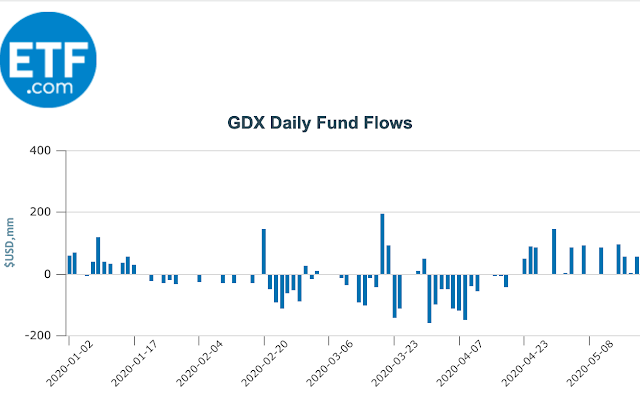
ebb and flow, investors are still buying gold stocks. And as he noted
last week, silver is starting to play catch up.
Now we have all the elements that we need of a gold bull market. Before,
the problem was gold was going up by no one believed it. That’s why
silver was still going down. That’s why nobody was buying gold stocks,
because everybody expected gold to fall. People were just so
conditioned to believe that the rallies would be sold that they couldn’t
believe the breakout, so there was a lot of skepticism. We were climbing this little wall of worry. But now we’re breaking down that wall.
Now we have silver outperforming gold and we have gold stocks outperforming the metal. That’s what happens in every bull market. Silver leads gold and stocks lead the metal. That’s what we’ve got all three firing on all three cylinders. That’s it. The market is going higher. People need to get in. They need to buy physical gold and silver.”
Amazonで買物をしてContrarianJを応援しよう この長文記事をRay Dalioが発表し、ゴールドは$1400から$1420へと急騰しました。GLD保持高に変化はないのでたぶん先物ポジションが進んでいます。 Ray Dalio Warns A "New Paradigm" Is Coming: "Buy Gold, Sell Stocks" by Tyler Durden Wed, 07/17/2019 - 14:44 Authored by Ray Dalio via LinkedIn, One of my investment principles is: 私の投資原則はこういうものだ: Identify the paradigm you’re in, examine if and how it is unsustainable, and visualize how the paradigm shift will transpire when that which is unsustainable stops. 現在のパラダイムを認識し、それがどの程度持続可能かどうか判断する、そしてパラダイムシフトがどのように起きるか、そしてその着地点を思い描く。 Over my roughly 50 years of being a global macro investor, I have observed there to be relatively long of periods (about 10 years) in which the markets and market relationships operate in a certain way (which I call “paradig...
Worst Start To A Year For Jobless In A Decade by Tyler Durden Thu, 03/28/2019 - 15:27 Something's not quite right... 何か全くおかしい・・・ With economic data disappointing en masse and US equity earnings expectations plummeting, talking heads have one last leg left on the stool of buy-and-hold - jobs, jobs, jobs! The unemployment rate (low), participation rate (people coming back into the workforce), wage growth (rising at fastest pace in 10 years), initial jobless claims (back near multi-decade lows), and JOLTS (more jobs offered than people available). 経済データは大きく失望するものであり、米国株式予想収益は下落している、皆が buy-and-holdで気になるのは、雇用、雇用、雇用だ! 失業率(これは低い)、労働参加率(労働力に戻り始めている)、給与(この10年でもっとも急速に増えてる)、新規失業率申請数(ここ数十年来の低位だ)、そしてJOLTS求人労働異動調査(求職よりも求人が多い)。 ...